Divide Mobile Capture and Desktop Expense Review Tasks
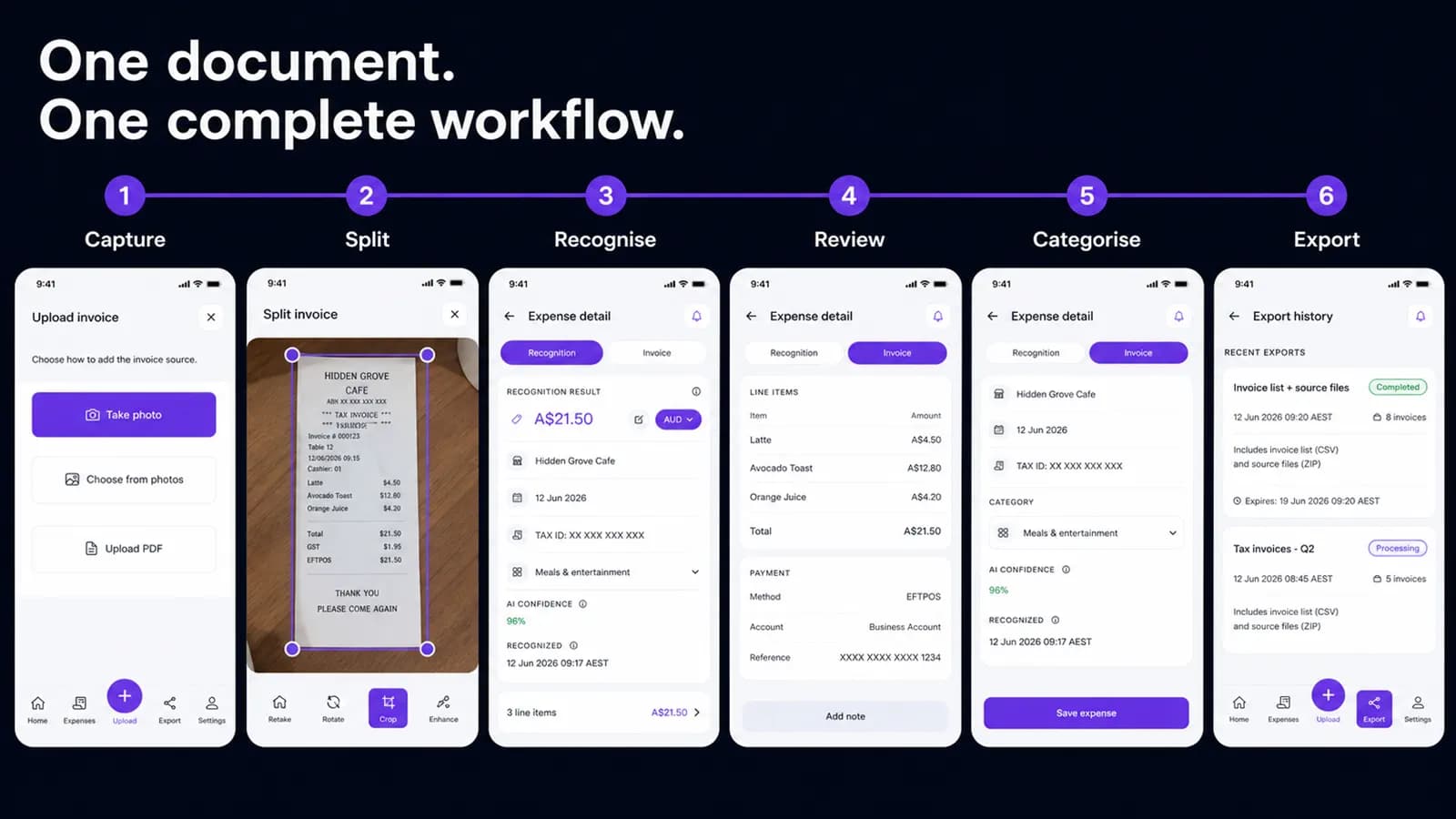
Use phones for timely evidence capture and larger screens for dense invoice comparison without creating separate archives.
Published by the AI Expense Editorial Team. AI Expense is developed and published by EmuInbox.
Practical answer: Use phones for timely evidence capture and larger screens for dense invoice comparison without creating separate archives.
The best device depends on the task. A phone is available at purchase time, while a larger screen can make multi-page PDFs and line-item comparison easier. The records must stay in one workflow across both.
Assign capture to the moment of purchase
Use mobile for camera photos, quick source checks and essential job context. Do not force staff to finish complex categorization while standing at a counter or worksite.
Move dense decisions to an appropriate review surface
Use a larger screen for multi-page documents, line reconciliation, duplicate comparison and export validation when it improves accuracy. Status should show what remains after mobile submission.
- Keep one record identifier across devices.
- Synchronize corrections and status changes.
- Avoid downloading separate permanent archives per device.
Measure the handoff between tasks
Track how long submissions wait for review and why they return to staff. Improve the boundary rather than blaming the device used for capture.
Cross-device workflow checks
- Mobile capture preserves readable source evidence.
- Complex reviews move to the clearest available screen.
- Statuses and corrections remain synchronized.
- Exports come from one reviewed record set.
Questions people ask in this situation
Must every expense be reviewed on desktop?
No. Use the clearest efficient surface for the document’s complexity and the organization’s controls.
Can staff export directly from mobile?
They can when the record set and validation needs are manageable. Larger handoffs may benefit from a broader review view.
Where AI Expense fits
AI Expense supports mobile-first capture and searchable reviewable records, allowing businesses to separate timely evidence collection from more detailed follow-up work.