How to Photograph a Receipt for More Reliable Recognition
How to Photograph a Receipt for More Reliable Recognition: a practical, source-first workflow for capturing, reviewing, finding and exporting expense documents with AI Expense.
Published by the AI Expense Editorial Team. AI Expense is developed and published by EmuInbox.
How to Photograph a Receipt for More Reliable Recognition
How to Photograph a Receipt for More Reliable Recognition is not mainly a data-entry problem. It is a document-control problem: the useful record must stay connected to a readable receipt, invoice, email attachment or PDF. A tidy table without the source can still leave the next person guessing.
Start with the real document problem
AI-assisted recognition is a first pass. The dependable result comes from comparing each material field with the source and leaving uncertain records visibly pending.
Decisions specific to this situation
For How to Photograph a Receipt for More Reliable Recognition, first decide which document is the strongest source. A complete PDF may be better than a cropped photo, while a clear paper receipt may explain a charge that an email subject does not. Choose the source before correcting any recognised value.
The first working action is to capture a new photo. Do it while the purchase context is still known, then use the second checkpoint to review merchant, date, amount, tax and currency. If those two views disagree, keep both available and mark the record for review instead of forcing a result.
The third action—compare recognised fields with the source—defines what “finished” means for this particular record. It should answer the question raised by how to photograph a receipt for more reliable recognition, not merely make the dashboard look tidy. A reviewer should be able to understand the decision without relying on memory.
Use “How to Photograph a Receipt for More Reliable Recognition” as the handover question: record why capture a new photo led to review merchant, date, amount, tax and currency, and what evidence allowed compare recognised fields with the source. That note makes this workflow distinguishable from a generic receipt checklist.
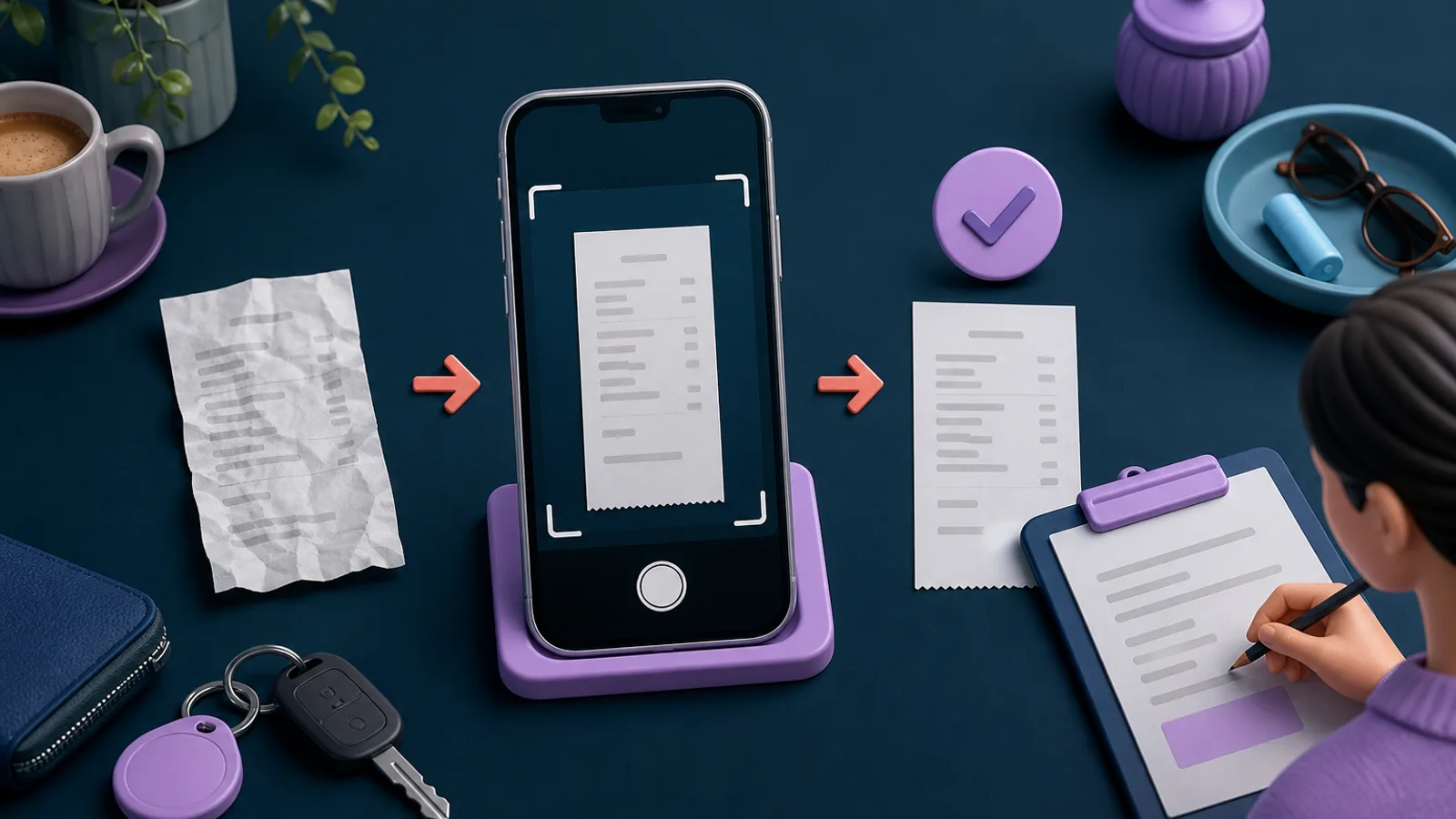
For a receipt photo, flatten the paper, keep all four edges in frame and use even light without glare. Retake the image when the total or date cannot be enlarged and read from the source.
Build a source-first workflow
capture a new photo.
review merchant, date, amount, tax and currency.
compare recognised fields with the source.
keep the source file attached.
separate pending and reviewed records.
A realistic local example
Imagine handling “How to Photograph a Receipt for More Reliable Recognition” on a Friday afternoon. One document is a phone photo, another is a PDF, and a third remains in email. Bring those sources into one queue, check the currency (AUD) and date, then mark only the verified records ready for the next step.
What to review before you rely on the record
Check the supplier, transaction date, total, tax where shown, currency and useful line items. If a value is cropped, blurred or ambiguous, return to the source or leave it pending. Never invent a missing amount to make the record look complete.
How AI Expense fits into the process
AI Expense can accept receipt photos, existing images, PDFs and supported invoice emails; split files containing multiple documents; recognise fields and line items; retain sources; support human review; search and filter records; show period summaries; and create CSV or source-file exports.
A five-minute completion check
the complete source is readable
important fields match the original
the record has a useful category or status
the document can be found again by supplier, date or text
the required source is included before export
Keep the boundary clear
AI Expense organises expense evidence. It does not decide deductibility, lodge a tax return, approve reimbursement, perform bank reconciliation or replace professional accounting, tax or legal advice.
This guide was prepared with AI-assisted editorial tooling. Product claims are limited to the documented AI Expense workflow; verify official requirements and your own records before acting.